Proton Exchange Membrane (PEM) for Fuel Cells & Electrolysers
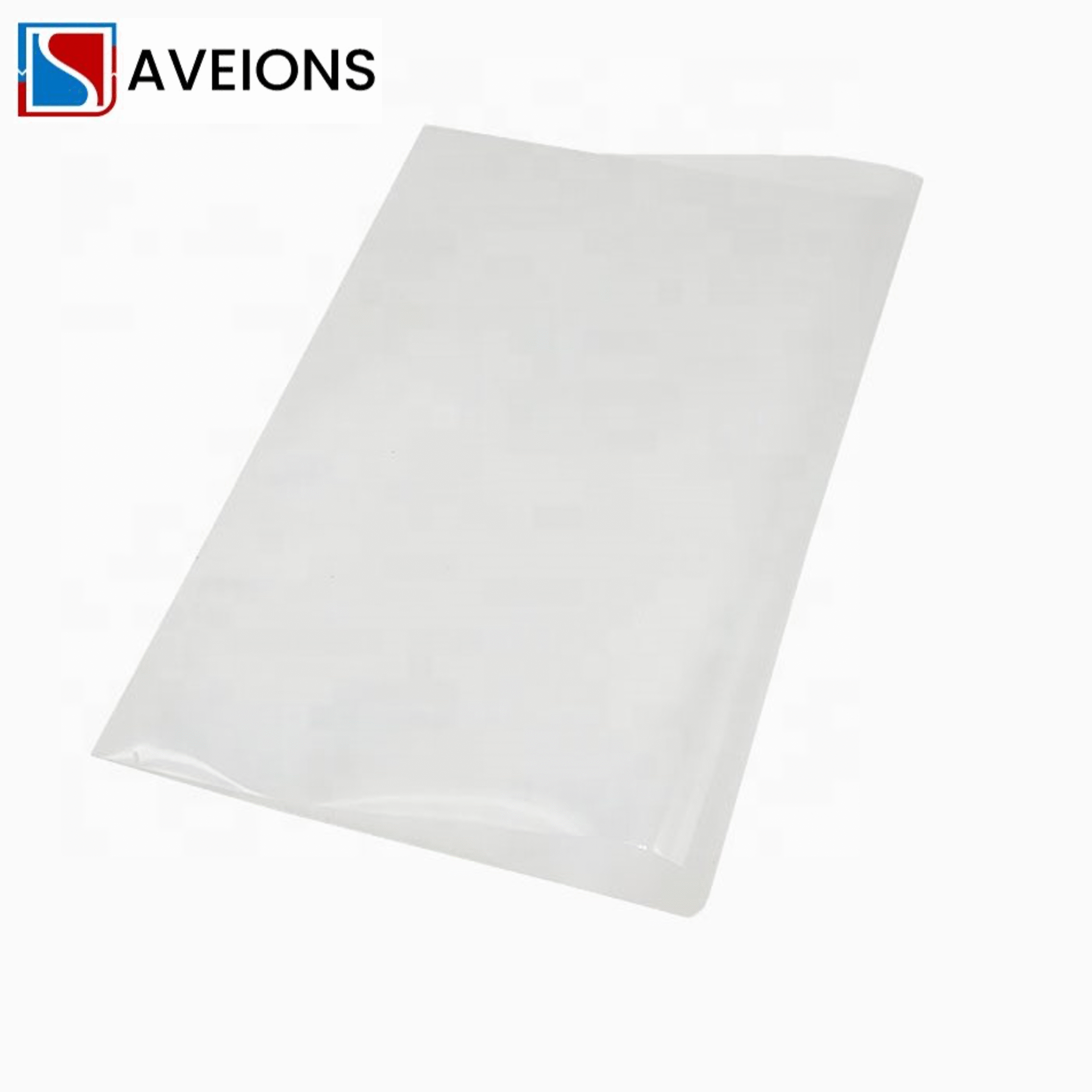
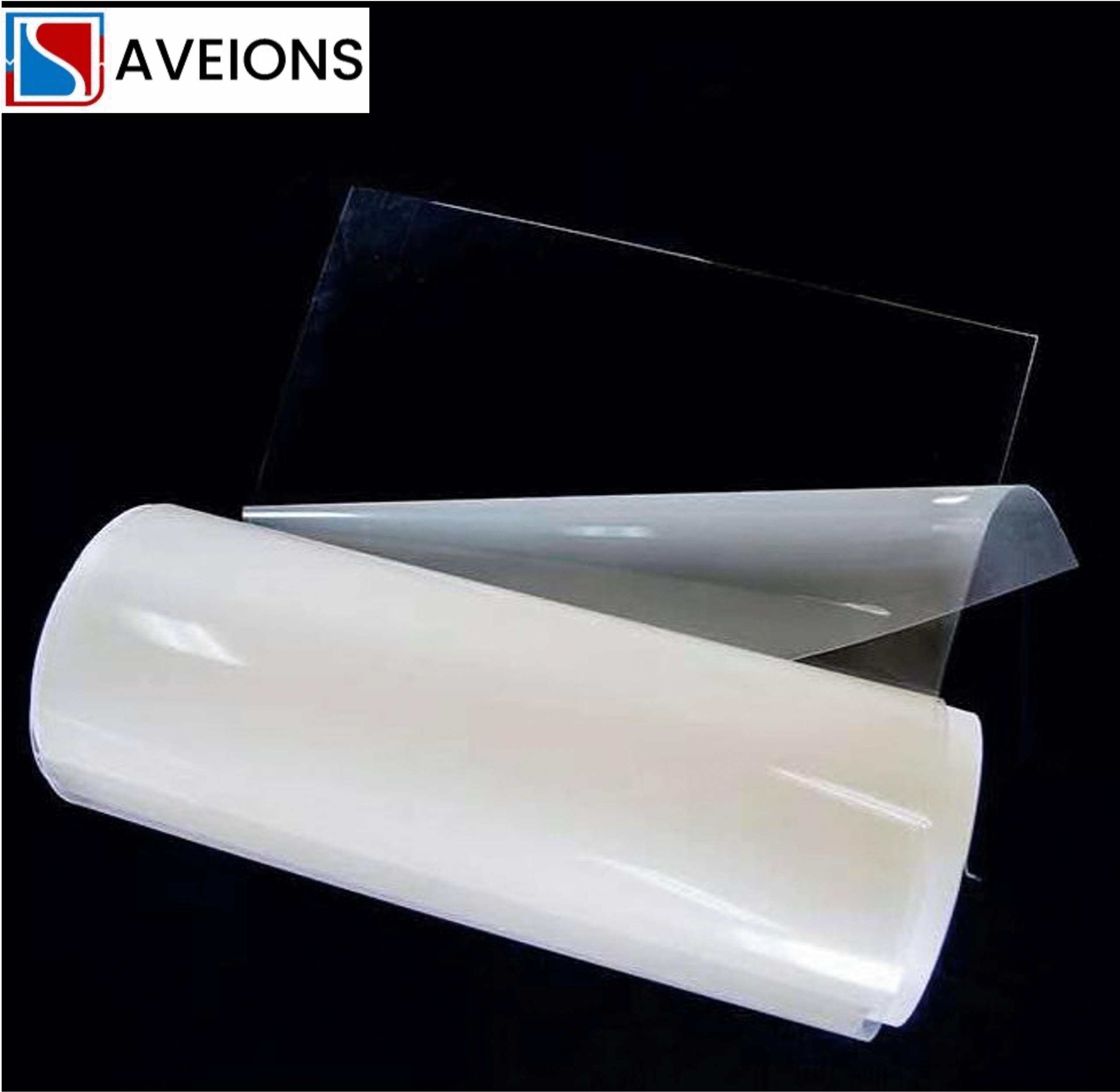
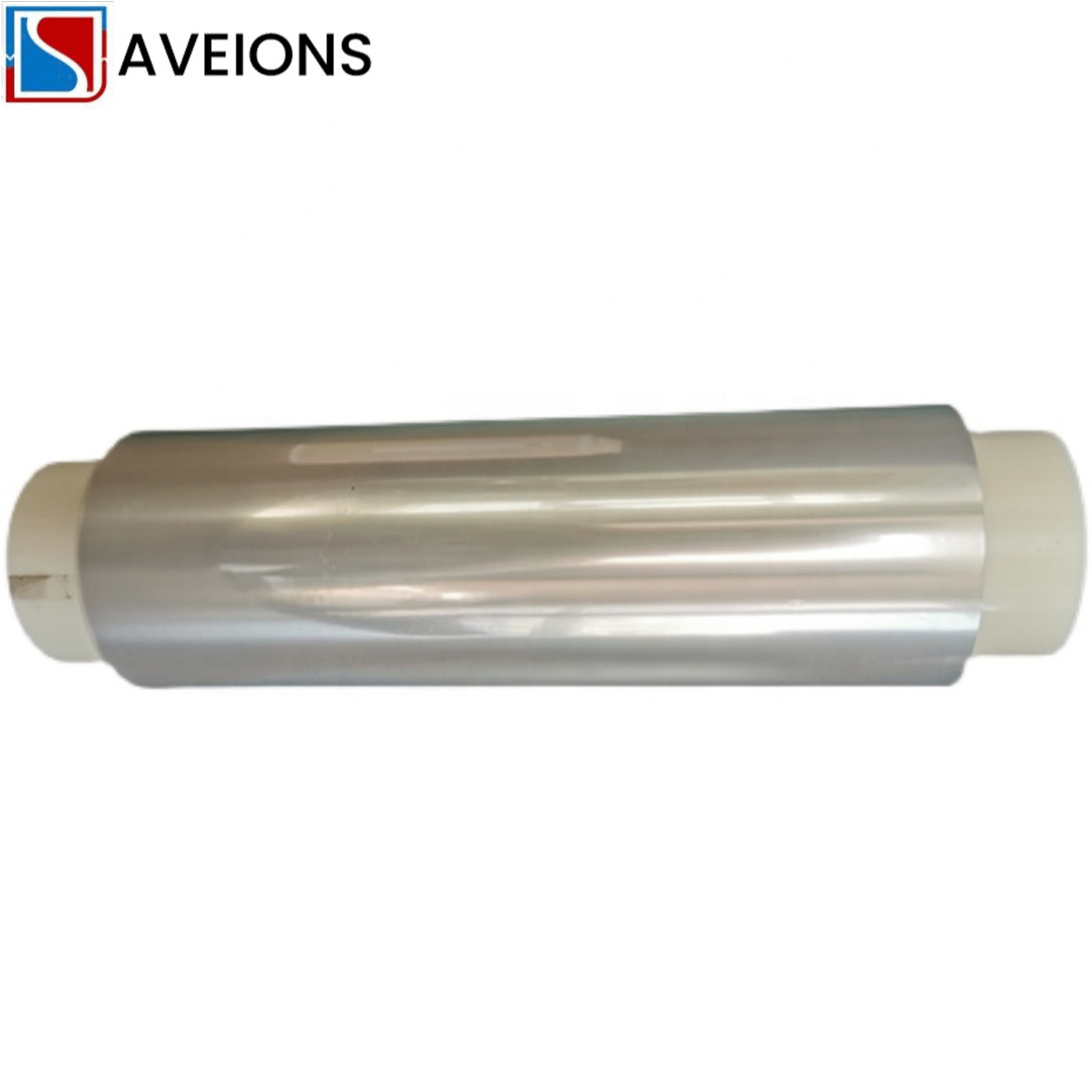
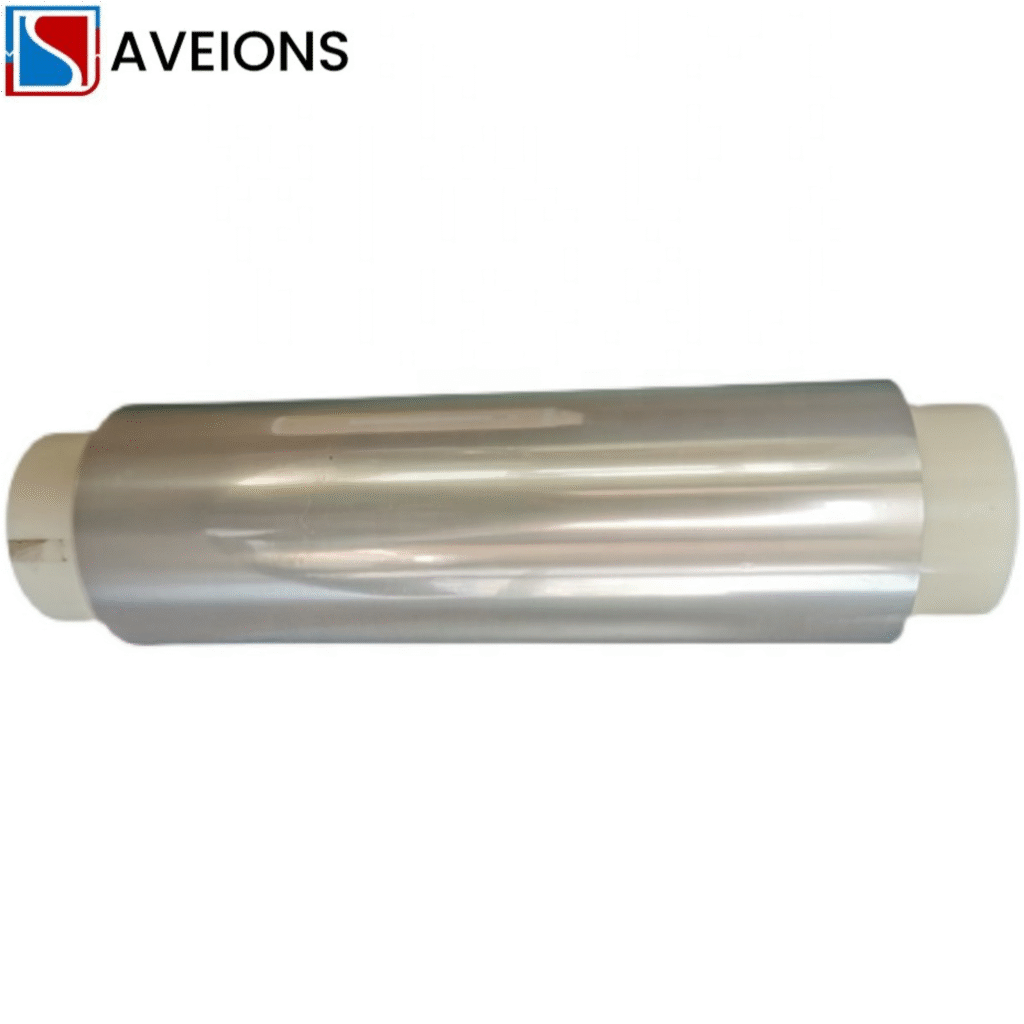
Proton Exchange Membrane, or polymer electrolyte membrane, is a semi-permeable ionomer membrane that is a proton conductor but an electrical insulator. In a fuel cell, the PEM lets protons from the anode move to the cathode. There, they mix with electrons and oxygen to create water. In a water electrolyser, the opposite happens. The PEM lets protons move from the anode to the cathode. This process creates hydrogen gas.
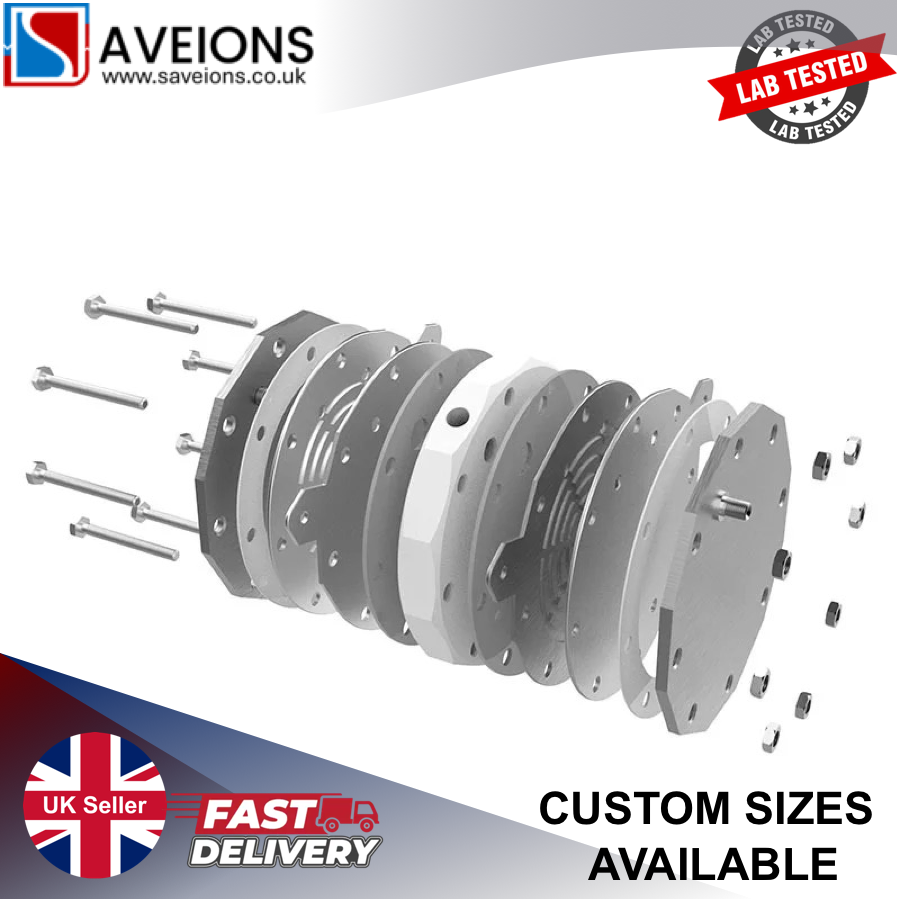
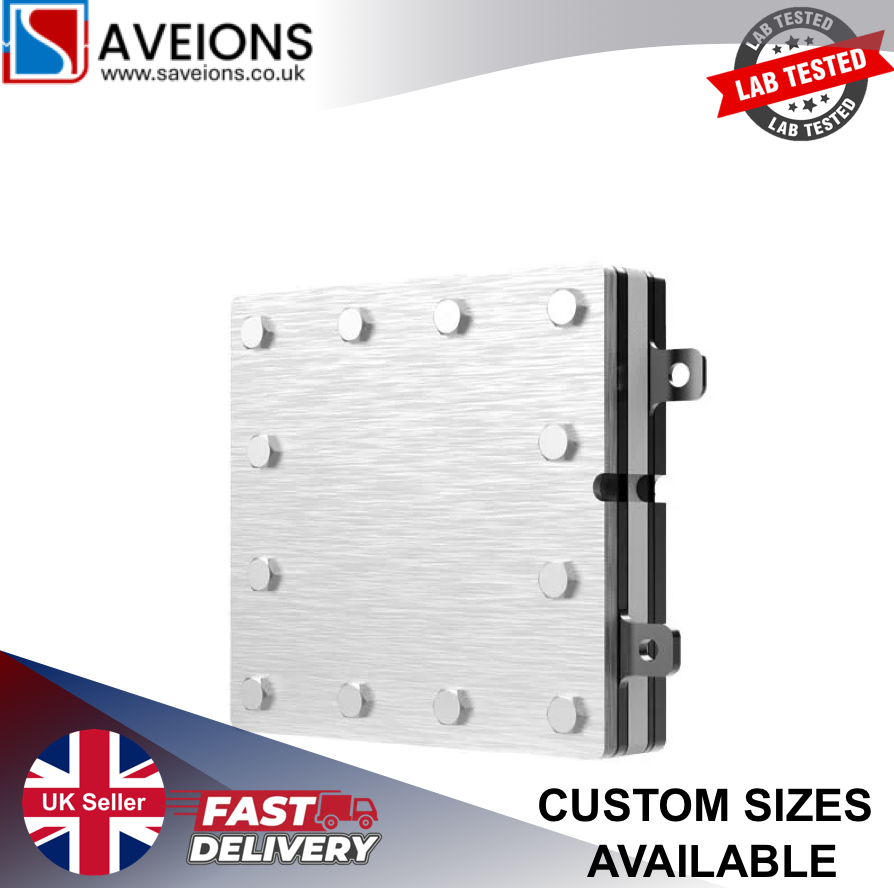
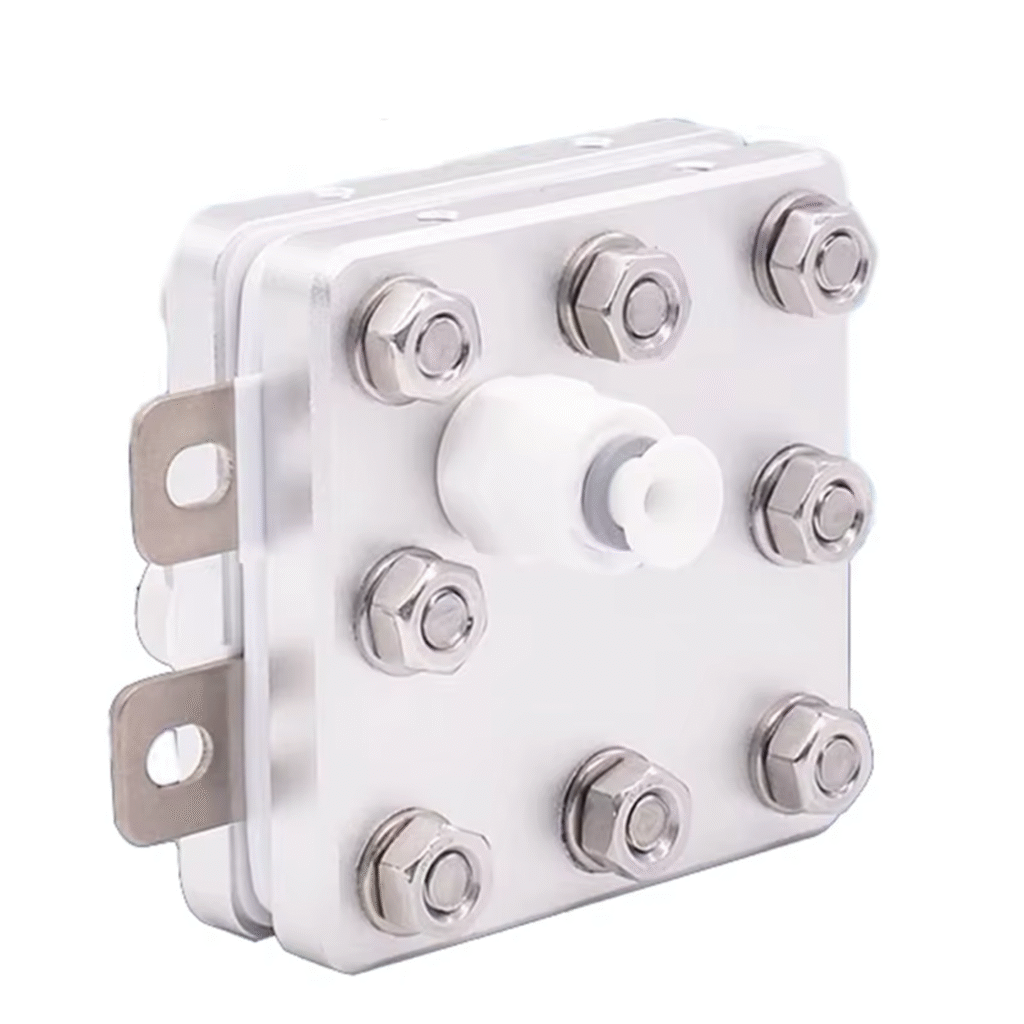
Our PEM membranes are manufactured to close specifications, having a consistent thickness and high-quality surface finish. Their robust chemical and mechanical properties make them a reliable choice for demanding applications in the clean energy sector. They are compatible with standard catalyst coating techniques, facilitating the manufacture of high-performance catalyst coated membranes (CCMs).
What is a proton exchange membrane?
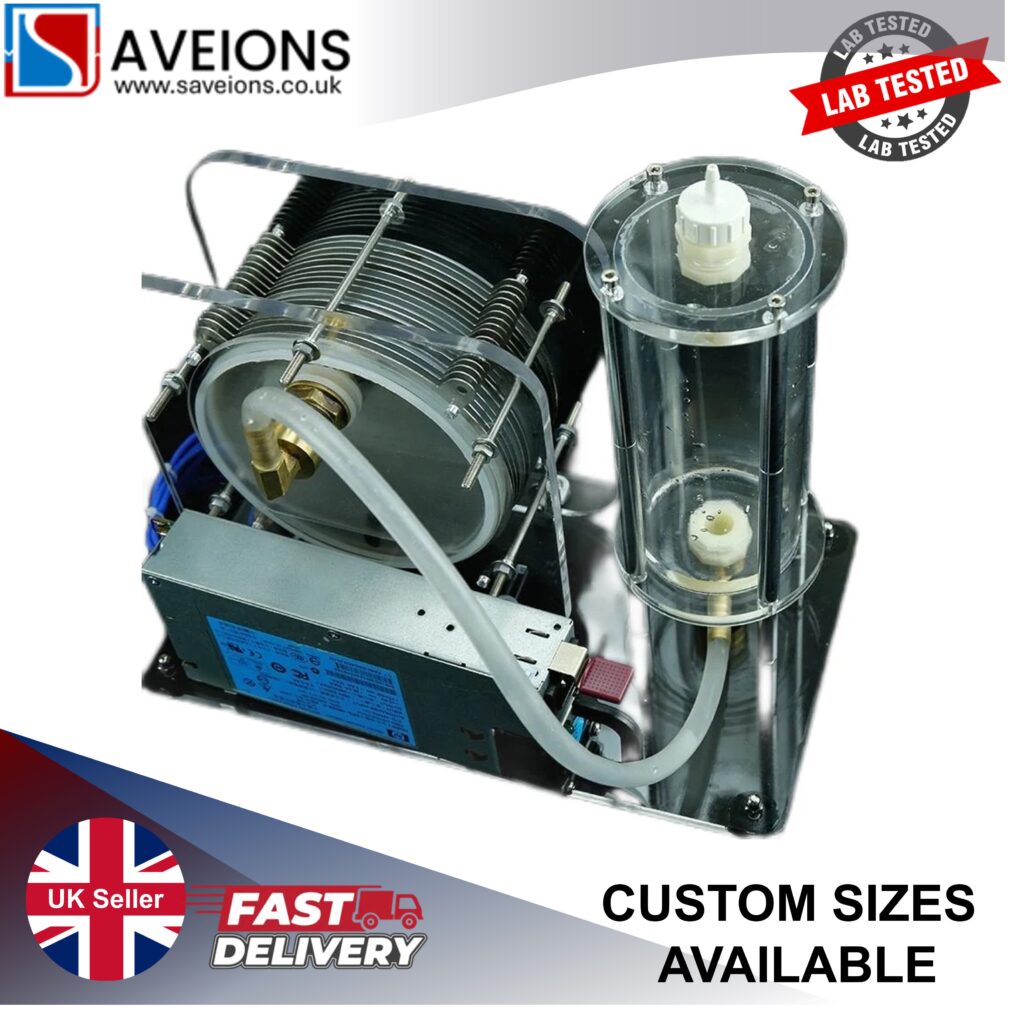
A PEM membrane is a solid polymer. It allows only protons (H⁺) to pass through. It blocks electrons and separates the gases. In a PEM electrolyser, water splits at the anode. This creates oxygen, protons, and electrons. The protons move through the membrane to the cathode. There, they combine with electrons to make hydrogen.
A PEM electrolyzer uses membrane electrolysis and an electrical energy source to split water into oxygen and hydrogen. Hydrogen ions (protons) pass through the membrane, while protons and electrons are separated because electrons flow via an external circuit. In the reverse process, many types of fuel cells use hydrogen and oxygen to generate electricity and produce water, supporting efficient power systems. A proton exchange membrane fuel cell (also called an exchange membrane fuel cell) uses hydrogen and oxygen to generate electricity and water, supporting efficient power systems and proton exchange membrane fuel technologies.
Key Benefits
- Improved Proton Conductivity: Designed for maximum ion transfer, delivering high current density and best system performance.
- High Gas Barrier: Acts as a robust, pore-free separator to ensure fuel and oxidant gas separation, offering safety and high efficiency.
- Improved Chemical & Thermal Stability: Resistant to degradation under harsh chemical and high-temperature operating conditions.
- Long-Term Reliability: Engineered to provide performance for thousands of hours of service with reduced need for maintenance and replacement.
- Universal Platform: Applicable for use either in electrolysers (for hydrogen production) or fuel cells (for electrical power).
Application:
- Fuel Cells: The most important ingredient for automotive, portable, and stationary power generation.
- Water Electrolysis: Central to high-purity green hydrogen production systems.
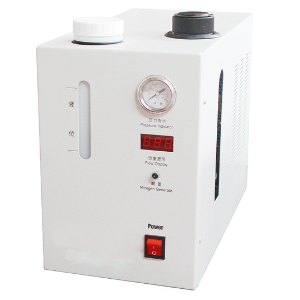
- Hydrogen Generators: Used in on-demand H₂ production units for laboratory, industrial processes.
- Redox Flow Batteries: Utilised as a separator in certain next-generation energy storage systems.
- Educational Kits: An ideal component for the demonstration of clean energy technology in classrooms.
For more information, please contact SAVEIONS
Q1. What is a PEM electrolyzer?
A PEM electrolyzer uses membrane electrolysis and an electrical energy source to split water and produce hydrogen and oxygen.
Q2. How does the PEM membrane work?
The membrane conducts hydrogen ions (protons) while blocking gases and electrons, enabling safe separation of products.
Q3. What happens to protons and electrons during PEM electrolysis?
Protons and electrons move in different ways. Protons go across the membrane. Electrons travel through an external circuit to finish the reaction.
Q4. How is a PEM electrolyzer related to types of fuel cells?
Many types of fuel cells run the reverse process—using hydrogen and oxygen to generate electricity and produce water.
Q5. Why are PEM electrolyzers important for power systems?
They can respond quickly to changing electricity supply, which supports flexible operation in modern renewable power systems.