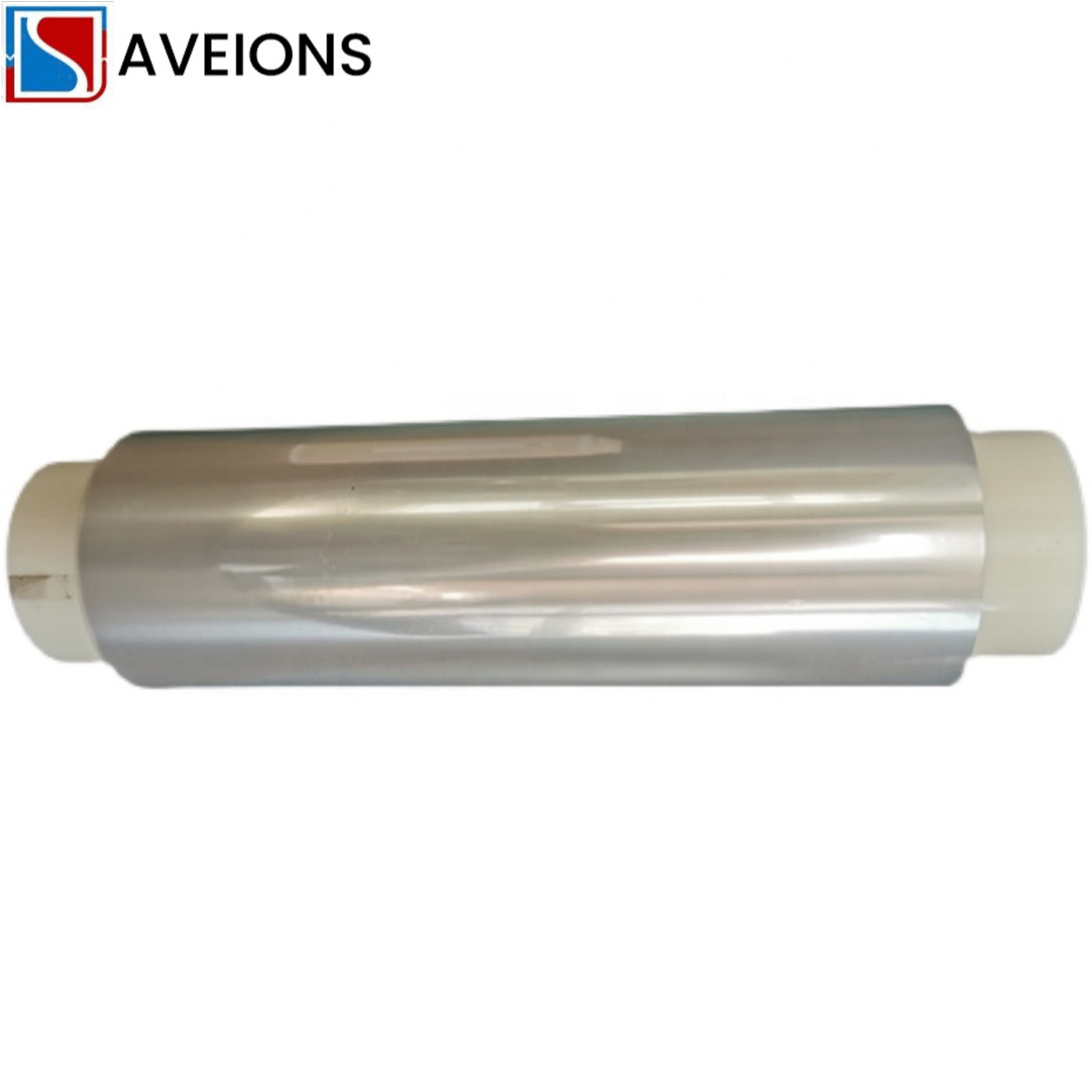
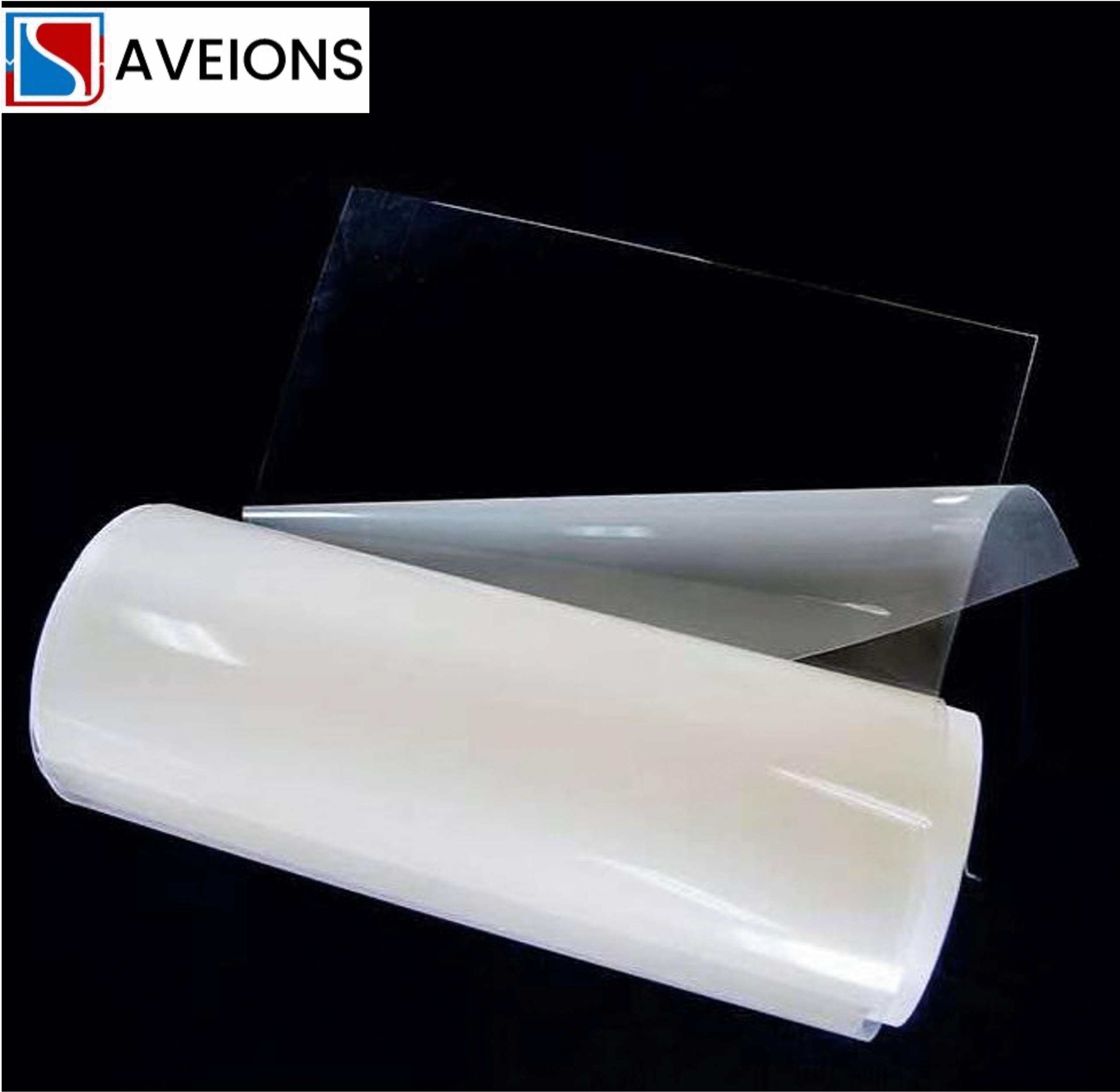
Proton Exchange Membrane (PEM) for Hydrogen Fuel Cells and Electrolysers
A Proton Exchange Membrane (PEM), or polymer electrolyte membrane, is a special film. It allows protons (H⁺) to pass through while keeping the electrodes electrically insulated. It also serves as a gas separator, helping to keep reactant and product gases safely isolated.
How a PEM works in a fuel cell
In a PEM fuel cell, hydrogen is oxidised at the anode to produce protons and electrons. Protons move through the membrane to the cathode. Electrons travel through an external circuit, creating usable electrical power. At the cathode, protons, electrons, and oxygen combine to form water—the primary reaction product.
How a PEM works in an electrolyser
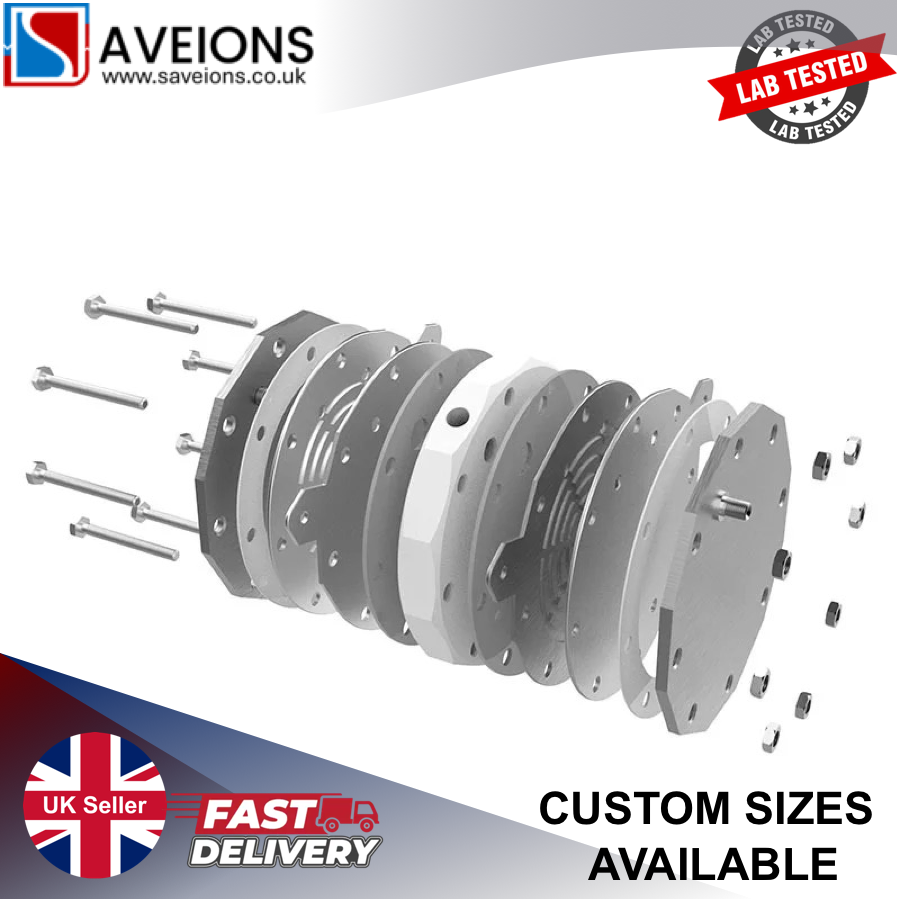
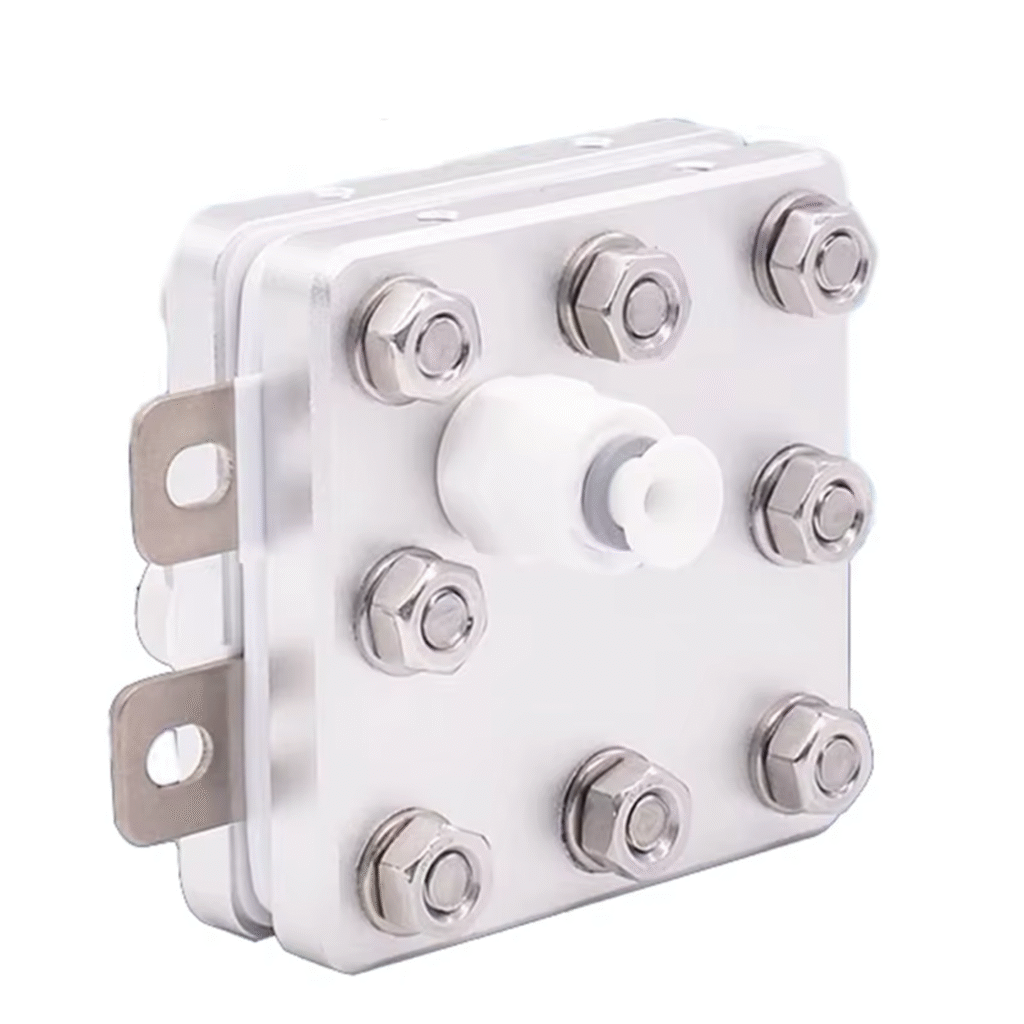
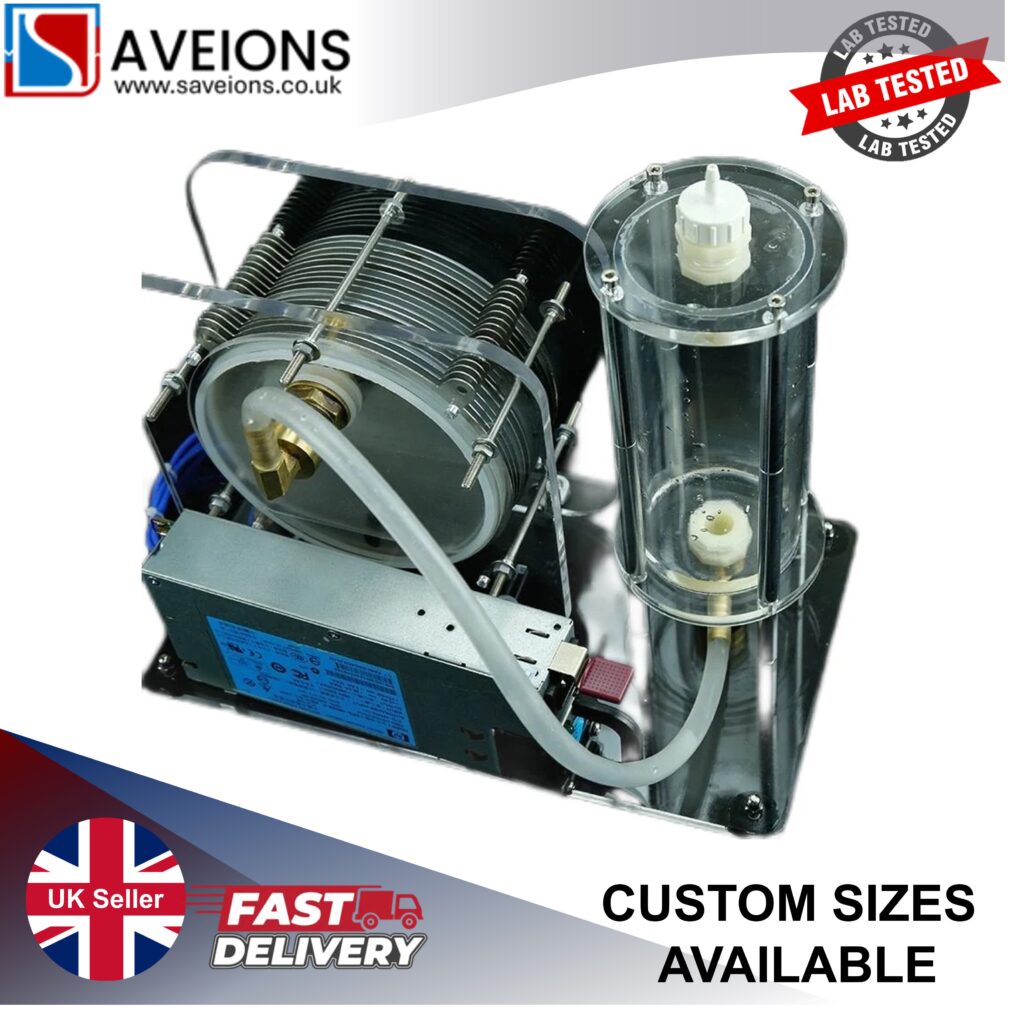
In a PEM water electrolyser, the process is essentially reversed. Water is split at the anode to form oxygen, protons, and electrons. The membrane allows protons to pass from anode to cathode, while electrons flow via an external circuit. At the cathode, protons recombine with electrons to produce hydrogen gas.
Product Quality and Manufacturing Compatibility
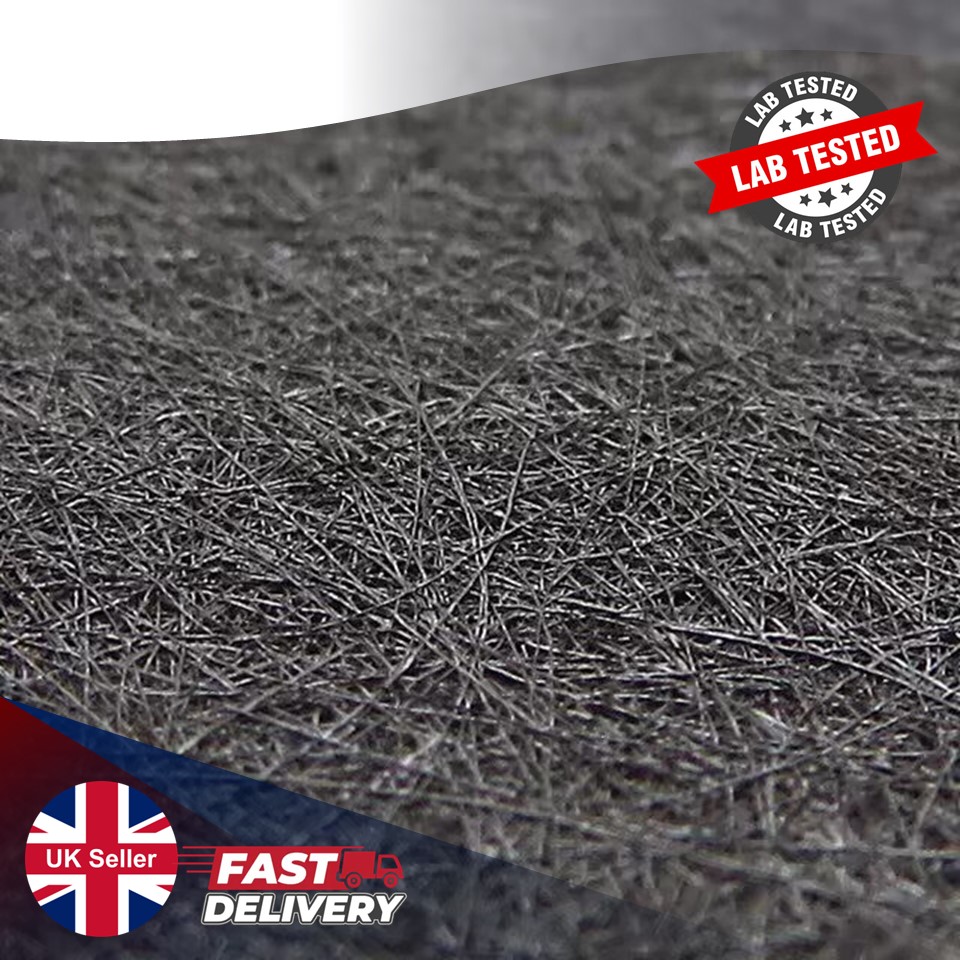
Our PEM membranes are produced to tight dimensional tolerances, providing uniform thickness and a high-quality surface finish. They are designed for strong chemical and mechanical durability, supporting stable operation in demanding clean-energy environments. The membranes are also compatible with standard catalyst deposition and coating methods, enabling efficient fabrication of high-performance catalyst coated membranes (CCMs).
Key Advantages
-
High Proton Conductivity: Optimised for rapid ion transport to support high current density and strong overall system performance.
-
Excellent Gas Barrier: Dense, pore-free structure improves separation of fuel and oxidant gases, enhancing efficiency and safety.
-
Chemical and Thermal Robustness: Engineered to resist degradation in chemically aggressive and elevated-temperature operating conditions.
-
Long Service Life: Designed for sustained operation over thousands of hours, reducing replacement frequency and maintenance demand.
-
Cross-Platform Use: Suitable for both electrolysis (hydrogen production) and fuel cell systems (power generation).
Applications
-
Fuel Cells: A core component for automotive systems, portable power, and stationary power generation.
-
Water Electrolysis: Essential for high-purity, green hydrogen production.
-
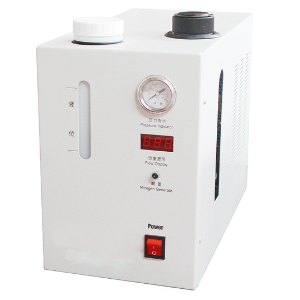
Hydrogen Generators: Enables on-demand hydrogen generation for laboratory and industrial use.
-
Redox Flow Batteries: Functions as a separator in selected next-generation energy storage architectures.
-
Educational Demonstrators: Well-suited for classroom and training kits illustrating clean-energy principles.
For further technical details or procurement enquiries, please contact SAVEIONS.
Frequently Asked Questions (FAQ)
Q1. What is a PEM electrolyser?
A PEM electrolyser is a membrane-based electrolysis device that uses electrical energy to split water into hydrogen and oxygen.
Q2. What is the function of the PEM membrane?
The membrane selectively conducts hydrogen ions (protons) while blocking electrons and gases, ensuring safe separation of products.
Q3. How do protons and electrons move during PEM electrolysis?
They follow different pathways: protons pass through the membrane, while electrons travel through an external circuit to complete the electrochemical reactions.
Q4. How is a PEM electrolyser connected to fuel cells?
Many fuel cell types operate the reverse reaction—consuming hydrogen and oxygen to generate electricity and form water.
Q5. Why are PEM electrolysers important for modern power systems?
They can ramp output rapidly and operate dynamically, supporting flexible hydrogen production in renewable-rich electricity systems.